The Cleaner Way to Control Where Horizontal Scroll Begins and Ends
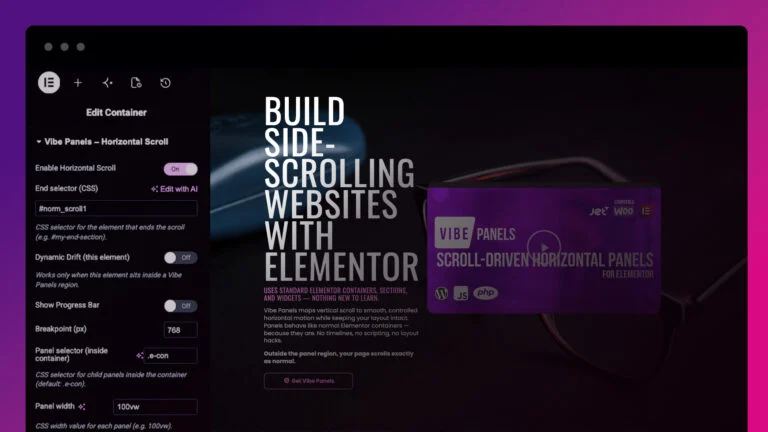
Horizontal scrolling only works when it knows when to stop. That sounds obvious, but it is one of

Not everything on a website needs to sit on the page waiting to be seen. Sometimes the useful stuff is better kept just out of sight until somebody actually needs it. That is where an off-canvas panel comes in.
In simple terms, an off-canvas panel is a hidden section of content that slides into view when it is triggered. It might contain navigation, extra information, filters, contact options, a form or almost anything else you would normally have to squeeze into the main page layout. Instead of sending the visitor somewhere new, the panel appears over or alongside the current page and disappears again when it is no longer needed.
For Elementor users, that can be particularly useful because it gives you another layer of layout without turning the page itself into a game of vertical Tetris.
Modern websites tend to accumulate things. Navigation grows, product information expands, calls to action multiply and somebody eventually decides that three more buttons would definitely help. Before long, a page that once felt clean is carrying half the website on its back.
An off-canvas panel gives secondary content somewhere sensible to live. The main page can stay focused on the information somebody came to see, while additional controls or content remain available when they are useful.
That distinction matters. Hiding something behind a panel does not automatically make it less important. In many cases it makes it easier to find because it only appears at the point where it becomes relevant.
A mobile navigation menu is the obvious example. Nobody expects a complete desktop navigation bar to remain spread across the top of a narrow phone screen. A menu icon opens the navigation when it is needed and gives the page back when it is not. The same idea works surprisingly well for plenty of other parts of a site.
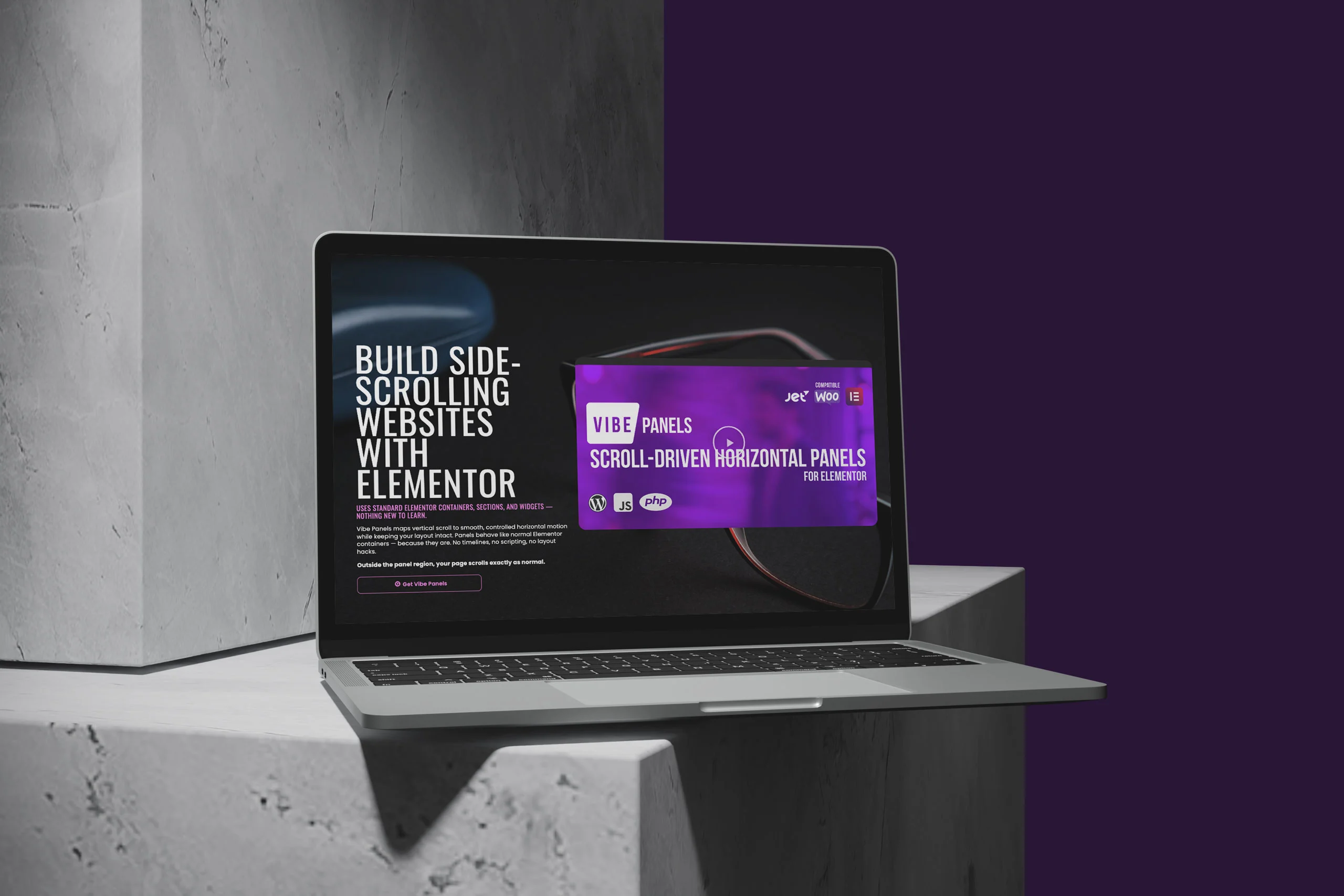
Explore Vibe Panels for Elementor and WordPress.
Menus are only the beginning. A panel can hold additional product information without making a sales page enormous, provide filters beside a shop or directory, reveal contact details, contain a booking or enquiry form, or give visitors access to supporting content without breaking their place on the page.
They can also be useful for more deliberate interactions. A button beside a product feature could open a panel containing technical information. A portfolio project could reveal credits or additional imagery. A support page could keep frequently used contact options close at hand without permanently occupying half the screen.
The common thread is context. If the information is useful but does not need to be visible every second, a panel may be a better home for it.
Off-canvas does not mean “put everything we could not find space for in here”. If information is essential to understanding the page, it should usually remain on the page. Important pricing, primary calls to action and core product information should not require visitors to go hunting through hidden interfaces.
Panels also work best when their purpose is obvious. If somebody presses a button labelled “Specifications”, opening a specifications panel makes sense. If they press an unlabeled icon and an unexpected slab of content flies across the screen, the interface has created a small puzzle nobody asked to solve.
The aim is not to make a website feel more animated. It is to make the layout easier to use.
Elementor makes it relatively easy to build sophisticated page layouts, but complex interactions can still become awkward once you move beyond conventional sections, containers and popups. That is the gap Vibe Panels is designed to fill.
Vibe Panels lets Elementor users create panel-based experiences that sit alongside the page rather than forcing every piece of content into the normal document flow. That means you can keep the flexibility of Elementor while introducing additional interface layers where they genuinely improve the experience.
The useful bit is not the sliding animation itself. It is what the panel allows you to remove from the page.
A good off-canvas panel should make a website feel simpler after you add it, not busier. If your page is carrying navigation, secondary actions, filters or supporting information that visitors only need occasionally, moving some of it off canvas can give the important content a little more room to breathe.